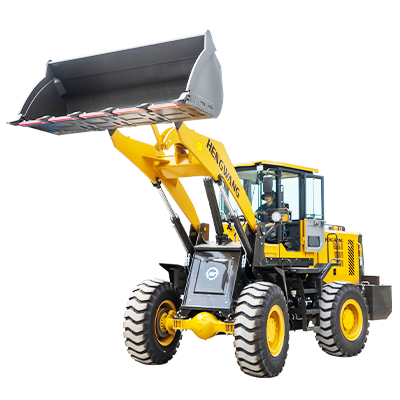
Loaders are essential construction machines widely used in agriculture, construction, and roadwork. Safe operation of loaders is critical for both equipment longevity and worker safety. Here's a systematic guide to safe loader operation through four core dimensions:
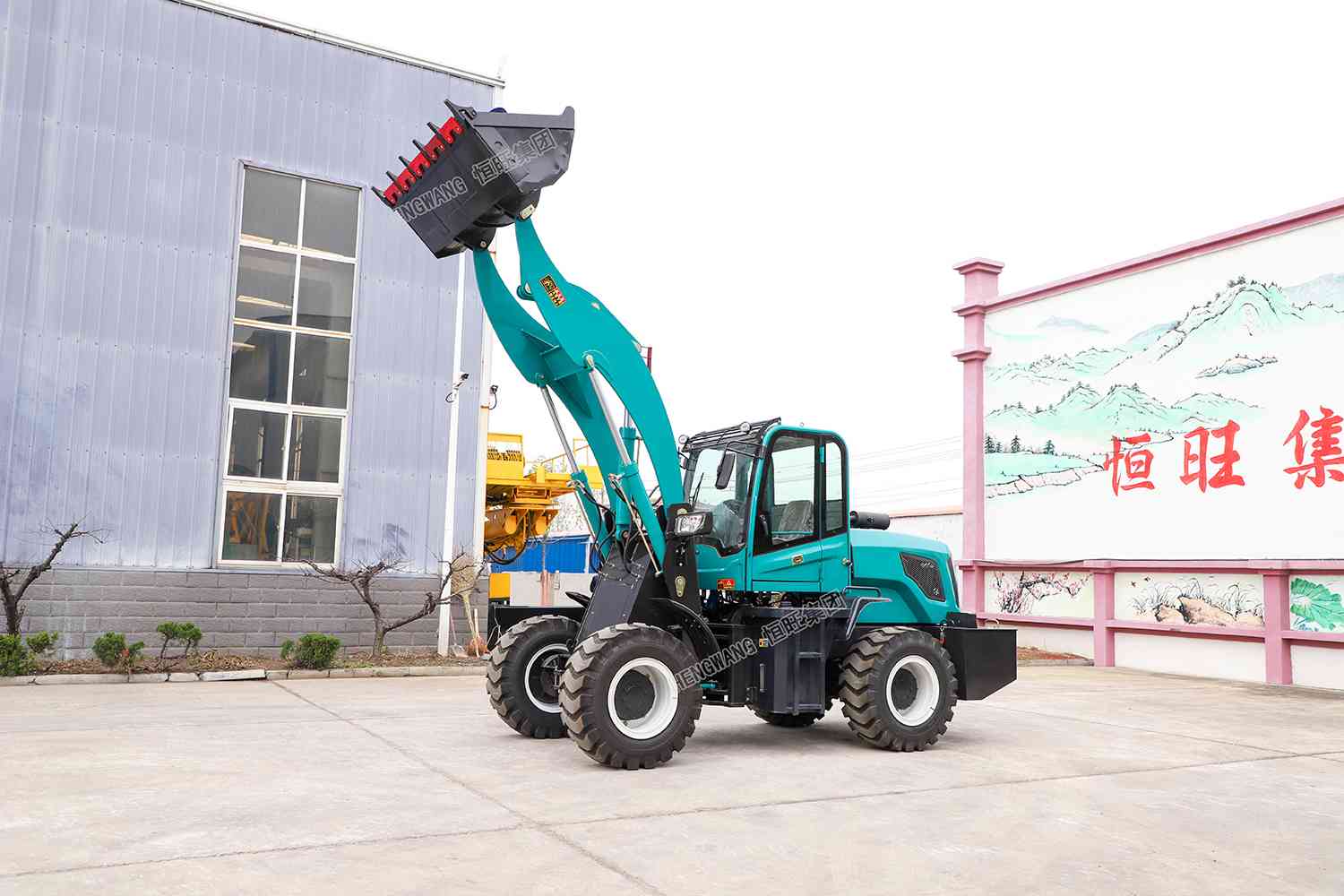
Before boarding or exiting the loader, inspect handrails and steps for oil, grease, or mud—clean immediately if detected. Repair damaged components and tighten loose bolts on handrails and pedals.
Access Rules: Use only designated access points with steps and handrails. Face the loader when mounting/dismounting, maintaining "three-point contact" (two feet and one hand, or two hands and one foot). Never jump on/off the machine.
Dynamic Restrictions: Never mount/dismount a moving loader. If an unattended loader starts moving, do not attempt to climb on it to stop operation.
Safety Notes: Do not use control levers or door handles as handrails. Avoid climbing onto non-slip engine covers. When carrying tools, hoist them to the platform with a rope instead of climbing with items in hand.
Before starting the loader, conduct a thorough inspection:
Structure Verification: Ensure no personnel are on the working attachments. Never allow anyone to ride on the bucket or auxiliary devices to prevent fall hazards.
Function Testing: Familiarize yourself with the location and purpose of all rocker switches, buttons, indicators, gauges, controls, and audio-visual alarms. Confirm you can operate all equipment. Review the loader’s rated load capacity, speed range, braking/steering characteristics, and maximum dimensions/turning radius.
Safe operation requires comprehensive understanding of the machine:
Specifications Mastery: Know the loader’s rated load, speed limits, and performance variations on surfaces like snow, ice, gravel, or soft soil. Note operational space height restrictions and turning radius requirements.
Signage Comprehension: Study safety labels (DANGER, WARNING, CAUTION) and understand signal gestures from supervisors to ensure effective communication during operations.
Before operating the loader, inspect the work site for hidden hazards:
Terrain Survey: Identify slopes, open ditches, falling/suspended objects, soil conditions (soft/hard), waterlogged areas, rocks, stumps, flammable debris (dry leaves/hay), buried foundations/pipes, landfill boundaries, holes, obstacles, and icy surfaces.
Environment Management: Evaluate traffic flow and visibility (dust/smoke/fog). For roadwork, deploy traffic controllers or install barriers to keep unauthorized personnel out of the work zone.
Adhering to these four steps minimizes operational risks for loaders. As core construction machinery, safe loader operation not only enhances efficiency but also prevents accidents at the source. For more detailed operation insights, consult our professional technical team.